Commercial Moves in Stanmore
If you are planning Commercial Moves in Stanmore, you already know that relocating a business is very different from moving home. It is about more than boxes and vans. It is about keeping operations running, protecting stock and equipment, reducing disruption for staff and customers, and making sure the move is handled with care from the first site visit to the final placement of furniture. Whether you are moving a small office, a retail unit, a professional practice, a showroom, or a mixed-use workspace, the right local moving team can make the entire process smoother and far less stressful.
Stanmore is a well-connected part of north-west London with a mix of business premises, office suites, independent shops, healthcare practices, and service-based companies. That variety means no two commercial removals are quite the same. Some moves involve tight access near busy high streets, while others require careful handling around shared entrances, residential streets, or limited loading space. A local commercial removals service understands these practical challenges and plans around them in a way that keeps your business moving forward.
From detailed move planning to packing, dismantling, transport, and reinstallation, a well-organised move can help you protect your assets and reduce downtime. If you are searching for reliable commercial relocation support in Stanmore, this page explains what is involved, what to expect, how to prepare, and why choosing an experienced local team is a smart decision for many businesses.
Commercial relocations tailored to Stanmore businesses

Every business move has its own pressures, and that is especially true in a place like Stanmore where commercial properties can sit alongside homes, schools, local roads, and busier commuter routes. Commercial moves in Stanmore often need to be timed carefully to reduce disruption and keep access clear for staff, visitors, and neighbours. A good removals team will look at the layout of your building, the type of equipment you are moving, and any access restrictions before the moving day arrives.
Some businesses need a quick office relocation over a weekend. Others need a phased move so that phone lines, admin desks, and operational stations can stay active while equipment is transferred in stages. Retailers may need careful stock handling and fixture removal, while clinics, studios, and consulting firms may prioritise confidentiality, labeling, and secure transport for documents and specialist items. The right service is designed around those needs, not the other way around.
Local knowledge matters because Stanmore has a mixture of road layouts, parking considerations, and property types that can affect the move. A team familiar with the area can plan vehicle access better, anticipate loading challenges, and avoid unnecessary delays. That practical awareness can save time on moving day and reduce the chance of avoidable problems.
Who commercial moving services are for

Commercial relocation support is useful for a wide range of organisations. Some customers are moving a single office suite, while others are transferring multiple departments, stock rooms, or technical areas. In Stanmore, the types of businesses that often need this service include:
- Office-based companies relocating desks, filing systems, and IT equipment
- Retail stores moving stock, shelving, display units, and tills
- Professional practices handling confidential files and client records
- Healthcare and wellness businesses with sensitive equipment and reception furniture
- Hospitality or food-service premises moving dry goods, appliances, and furnishings
- Showrooms and workshops with bulky items, samples, and specialist tools
Many customers in and around Stanmore also need help with smaller but still important commercial moves. These may include internal office reconfigurations, one-floor relocations, archive transfers, or the movement of surplus furniture and equipment to another site. Even a smaller move can affect business continuity, which is why planning and a practical approach matter so much.
Whether your business is based near Stanmore Broadway, along one of the surrounding commercial stretches, or in nearby business districts, a professional moving service can be adapted to suit your premises and your timetable. That flexibility is often just as important as the transport itself.
Why local businesses choose a Stanmore removal team

Choosing a local team for Commercial Moves in Stanmore can bring several benefits. Local crews are usually better placed to understand traffic flow, parking limitations, and how to plan around busy periods. They are also more likely to know how to approach buildings with restricted access, shared forecourts, or narrow loading points. That can be especially useful if your premises are in a busy commercial parade or a mixed residential area where vehicle space is limited.
Another major benefit is responsiveness. When a move is nearby, it is often easier to arrange pre-move visits, discuss requirements in person, and adjust the schedule if your plans change. A local company can often provide a more practical and flexible service than a distant provider who does not know the area well. That makes a real difference when you are balancing staff availability, customer appointments, and building access times.
Reliability, organisation, and local understanding are the qualities most customers value. A commercial move is not just about lifting and carrying. It is about arriving on time, following the agreed plan, protecting fragile items, and ensuring the business is ready to resume activity as quickly as possible. Local teams that work in Stanmore regularly tend to bring a calmer, more efficient approach because they understand what the move requires from start to finish.
What is included in a commercial move

The exact service will depend on your business, but a professional commercial removals package usually includes a combination of planning, packing support, dismantling, transport, and unloading. For many customers, the value lies in having one team coordinate the key stages so that nothing is overlooked.
Typical elements may include:
- Pre-move discussion to understand the size and scope of the job
- Site assessment to review access, parking, and any handling challenges
- Packing supplies for documents, equipment, and general office contents
- Labelling systems to keep departments, rooms, and items organised
- Dismantling and rebuilding of desks, shelving, and furniture where needed
- Careful loading, transport, and unloading of commercial items
- Placement of items in the correct rooms or work areas at the new site
- Optional help with disposal or clearing of unwanted furniture and clutter
For businesses with specialist items, the plan may also involve protective wrapping, secure crates, handling of IT hardware, or staged transport to reduce disruption. If you have sensitive equipment or important paperwork, it is worth raising those needs early so the move can be arranged properly. Good communication is a big part of a successful relocation.
Many customers also ask about business continuity. That is a fair concern. The best approach is usually to plan the move around your working hours, assign clear responsibilities internally, and let the removals team handle the physical relocation efficiently. The aim is always to keep downtime to a minimum while protecting your assets.
How the moving process usually works
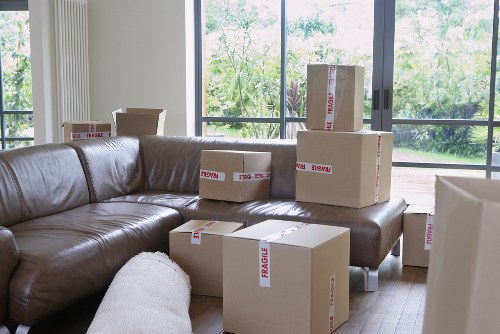
A structured process helps remove uncertainty from the day. While every move is different, most commercial relocations follow a similar pattern. First comes an initial discussion about the size of the premises, what needs moving, and your preferred timeline. This is the stage where you can mention access issues, lift usage, parking restrictions, shared corridors, or anything fragile or confidential.
Next, the move is planned in more detail. This may include a visit to assess the property, identify equipment that needs special handling, and decide what packing materials or vehicle space will be required. If the business needs to keep operating during the move, the team can help design a phased approach so essential departments are transferred first and non-essential items follow later.
On moving day, the crew will load items carefully, keep related items together, and ensure the delivery at the destination follows the agreed room-by-room plan. Once everything arrives, items can be placed where they belong so your staff can get back to work as quickly as possible. In many cases, the service also includes reassembly of desks, workstations, and other items that were dismantled beforehand.
What helps a move run smoothly
Good preparation reduces stress for everyone involved. Here are some practical steps that can make a real difference before the move begins:
- Confirm the moving date and access times with building management if required.
- Tell staff what they need to pack and what should stay available until the final stage.
- Back up digital data and secure important files before the move.
- Label boxes and equipment clearly by department, room, or priority level.
- Set aside items that are not moving so they do not get mixed in by accident.
- Remove personal belongings, valuables, and any items requiring special handling.
- Check parking and loading arrangements at both the old and new premises.
Preparation is one of the biggest factors in reducing disruption. The more clearly items are identified, the quicker the team can unload and place them correctly. That is especially useful for offices, where staff need to be back at their workstations without unnecessary delays.
Types of commercial properties in Stanmore
Stanmore includes a range of commercial settings, and each one can present different moving requirements. Office spaces may have lifts, communal lobbies, and time restrictions. Shops and salons may need furniture, fixtures, and stock moved out of public view. Clinics and professional practices often need discretion and careful handling of records. Workshops and light industrial spaces may have heavier loads or specialist equipment that cannot simply be boxed up like ordinary office items.
Some properties are straightforward with rear access or dedicated parking, while others are more challenging because of limited waiting space or shared use with nearby homes. In mixed-use locations, moving plans often need to consider neighbours and local foot traffic. That is one reason why businesses often choose a team that has already handled similar jobs in the area. Local experience helps make the day feel more controlled and less disruptive.
Commercial relocations can also be affected by the building itself. Older premises may have tighter doorways or stairs, while newer office developments may have lift booking rules or loading bay procedures. A knowledgeable removals crew will work within those limitations and help you avoid common delays. If your move involves a property with unusual access, mention that early so the planning can be adjusted from the beginning.
Common access challenges
In Stanmore and nearby parts of North West London, commercial moves may need to account for:
- Limited street parking or controlled loading space
- Busy roads at peak commuting times
- Shared entrances with other businesses or residents
- Stairs, lifts, or narrow corridors in office buildings
- Restricted delivery windows at managed premises
These are exactly the kinds of details that can make a local team valuable. When access is tight, timing and coordination matter just as much as lifting strength.
Planning around business downtime
For most organisations, the biggest worry is not the transport itself. It is the impact on trading, appointments, customer service, and internal productivity. That is why commercial removals should be planned with business downtime in mind. Some companies choose a Friday evening to Monday morning turnaround. Others prefer a staged move across several days so work can continue in part of the office while another area is being relocated.
The right plan depends on your business model. A small office with a handful of employees may be able to shut down for a short period. A busy customer-facing practice may need a more careful arrangement to keep essential services available. A retailer may need to coordinate the move around stock delivery dates and opening hours. The removals team should support the schedule you need, not create extra pressure for your staff.
When discussing the move, it helps to identify any time-sensitive functions. For example, if you rely on phones, broadband, card terminals, or specialist systems, those items may need to be moved in a certain order. A good commercial move takes those operational needs seriously and structures the work accordingly. That practical focus is what helps businesses get back up and running with less disruption.
Packing, protection, and specialist handling
Commercial contents are often more varied than household items. You may have monitors, filing cabinets, sample stock, technical tools, branded displays, or delicate office décor. Some items can be packed in standard cartons, while others may need cushioning, wrapping, crates, or disassembly. The goal is not simply to move everything from one address to another. It is to move it in a way that protects value and reduces the chance of damage or confusion.
For documents and records, organisation is essential. Clearly marked boxes, secure handling, and a sensible loading plan help protect confidentiality and keep files easy to locate at the destination. For IT equipment, careful packing and movement can reduce the risk of damage to screens, towers, peripherals, and network-related items. For retail or display pieces, the right padding and stacking method can preserve presentation quality as well as physical condition.
If your business has larger or awkward items, mention them in advance. That may include heavy cabinets, reception desks, meeting tables, safes, or specialist machinery. A commercial moving team can then decide whether extra manpower, protective wrapping, or specific equipment is needed. Clear information at the start often leads to a smoother move later.
Helpful packing priorities
Before moving day, focus on these practical steps:
- Pack non-essential items first so the final days stay functional
- Label cables and accessories so reassembly is easier
- Separate confidential files from general office contents
- Protect monitors, glass, and fragile display items with suitable wrapping
- Keep an essentials box for the first day in the new premises
Preparing your staff and workspaces
Commercial moves are easier when everyone knows what to expect. Staff do not need to manage the heavy lifting, but they can help with sorting, packing, and clearing desks before the move. A short internal briefing can go a long way. It gives people time to back up files, remove personal items, and prepare the areas they are responsible for. It also helps reduce confusion on the day itself.
It is usually sensible to appoint one or two move coordinators within the business. These people can answer questions, keep the packing plan consistent, and liaise with the removals team if anything changes. Having a single point of contact internally can save a lot of time, especially in larger offices or workplaces with multiple departments.
At the old premises, keep walkways clear and identify anything that should be moved last. At the new premises, make sure rooms or zones are marked so items can be placed correctly. This is especially useful for companies moving into shared office floors, suites, or refurbished premises in Stanmore where layout and access may need to be managed carefully. Small steps like these make a big difference to efficiency.
Pricing factors for commercial moves
Commercial moving costs are influenced by several practical factors rather than one fixed formula. Because every business move is different, it is more useful to think about what affects the overall scope of the job. Common factors include the size of the premises, the number of items to be moved, the distance between locations, access at both addresses, the amount of packing or dismantling required, and whether the move needs to happen outside standard hours.
Specialist items can also affect the planning. For example, heavy furniture, fragile equipment, or a large archive may require extra handling time or additional labour. If there are stairs, narrow access points, or parking restrictions, that can also influence the time and resources needed. Moves that need to be completed quickly or in phases may involve a more detailed logistics plan.
When requesting a quote, it helps to provide as much relevant detail as possible. Share the size of the business, what needs moving, and any restrictions you are aware of. That allows the team to give a more accurate assessment and recommend the right level of support. Transparent information at the start is usually the best way to avoid surprises later.
Questions that help with an accurate quote
- How many rooms, desks, or departments are being moved?
- Are there items that need dismantling or specialist wrapping?
- Is parking available close to both properties?
- Do you need the move completed outside business hours?
- Will you need packing support or supply of materials?
Request a free quote once you have the key details ready. That way, you can compare options and plan the move with confidence.
Areas covered around Stanmore
Businesses in Stanmore often work across nearby locations as well, and commercial moves may involve premises in surrounding parts of north-west London. A local removals team can usually support relocations not only in Stanmore itself but also in nearby districts where similar access and property considerations apply. This is useful if your company is moving between offices, expanding into a second site, or reorganising its operations across more than one address.
Nearby areas commonly relevant to commercial customers include parts of Harrow, Edgware, Bushey, Belmont, Queensbury, and other surrounding neighbourhoods and business locations. The exact journey and logistics depend on the properties involved, but a team familiar with the local road network can plan timing and routing more effectively. That can help avoid bottlenecks, especially where vehicle access and parking are limited.
If your move involves a location just outside Stanmore, it is still worth speaking to a local commercial removals provider. The closer the moving team is to your business area, the easier it is to schedule surveys, coordinate the move date, and respond quickly if plans change. Local coverage is especially useful for companies that need flexibility.
Why Stanmore businesses benefit from careful relocation planning
A commercial move is often part of a broader business decision. You might be expanding into a bigger office, downsizing to reduce overheads, refurbishing your current premises, or moving to a better location for customers and staff. In each case, the quality of the move has a direct impact on how quickly you can settle in. A rushed or poorly planned relocation can cause unnecessary stress, damaged items, and avoidable downtime.
Careful planning also helps with morale. Staff are more confident when they know there is a clear plan, important equipment is protected, and the move will be handled professionally. Customers benefit too, because a well-managed relocation is less likely to interrupt service for long. For businesses that depend on reputation and reliability, that matters a great deal.
When you choose a commercial moving service that understands Stanmore, you are not just hiring transport. You are choosing local practical knowledge, a sensible approach to timing, and support that is built around how businesses actually operate. That is why so many companies look for experienced Commercial Moves in Stanmore when they need a smoother transition to a new workspace.
Frequently asked questions
How far in advance should I book a commercial move?
It is best to book as early as you can, especially if you want a specific date or need the move to happen outside normal working hours. Early booking also gives time for planning, packing, and arranging any access permissions.
Can a commercial move be done outside office hours?
Yes, many businesses prefer evening, weekend, or early-morning moves to reduce disruption. If timing is important, mention it when you request a quote so the schedule can be planned accordingly.
Do I need to pack everything myself?
Not necessarily. Some businesses pack their own desks and files, while others prefer help with packing materials or full packing support. The right choice depends on your budget, time, and the type of items being moved.
What happens if I have fragile equipment or confidential documents?
Those items should be identified early so they can be handled appropriately. Fragile equipment may need extra protection, and confidential documents should be kept secure and organised throughout the move.
Will the team dismantle furniture?
Many commercial moving services can dismantle and later reassemble standard office furniture if agreed in advance. This is useful for desks, shelving, meeting tables, and similar items that are easier to transport in sections.
How do I prepare my premises before moving day?
Clear walkways, label boxes, back up digital files, and set aside any items that should be moved last. It also helps to confirm parking, lift access, and building rules before the team arrives.
Can you move businesses within Stanmore and to nearby areas?
Yes, commercial relocation support can cover local moves within Stanmore as well as nearby areas such as Harrow, Edgware, Bushey, Belmont, and Queensbury, depending on the job requirements.
Book your commercial move with confidence
If your business is preparing for a relocation, the best time to start planning is now. The earlier you discuss your move, the easier it is to build a practical schedule, arrange the right support, and reduce disruption to your team. Whether you are moving a small office, a retail unit, or a larger commercial workspace, professional help can make the process far more manageable.
Local businesses in Stanmore often need a service that is organised, responsive, and mindful of access challenges. That is exactly what a well-planned commercial removals service should provide. From the first discussion to the final placement of furniture and equipment, the aim is to keep your move efficient and straightforward.
Contact us today to discuss your requirements, request a free quote, or book your service now. If you are looking for dependable support with Commercial Moves in Stanmore, a careful local approach can help your business relocate with less stress and more control.