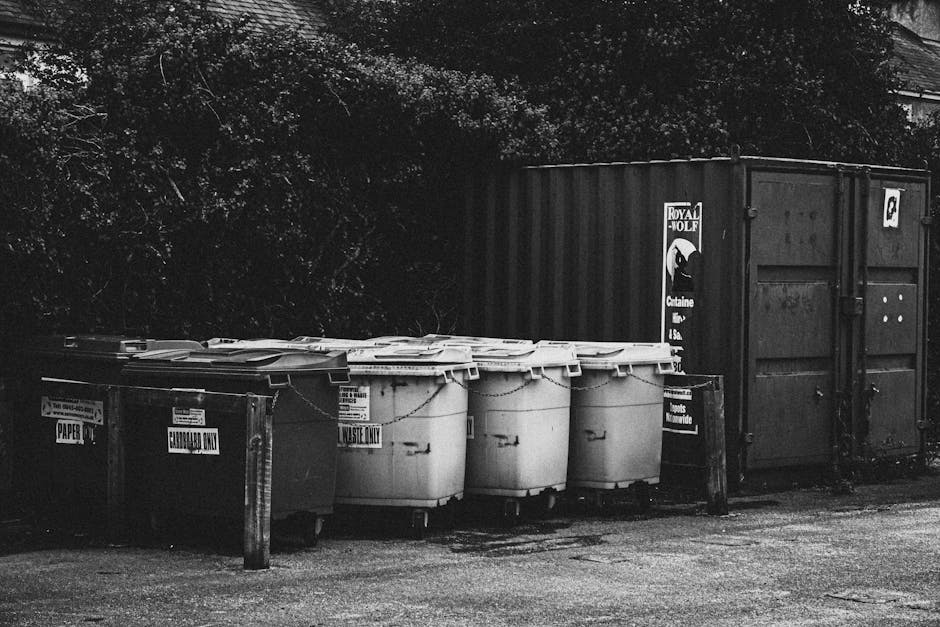
Waste disposal rules in Stanmore: fines and steps
Posted on 29/07/2026
If you are trying to get rid of rubbish in Stanmore, the rules can feel annoyingly specific at first. One wrong move, and you may end up with a warning, a fine, or a messy pile left outside your property longer than it should be. This guide to Waste disposal rules in Stanmore: fines and steps breaks the process down in plain English, so you can see what is allowed, what is risky, and what to do instead. We will cover common penalty triggers, lawful disposal routes, practical steps for households and landlords, and the small habits that keep everything tidy and compliant. To be fair, most problems are avoidable once you know the basics.
If you are also planning a home move, decluttering before relocation, or dealing with bulky items after a clear-out, you may find it useful to read about decluttering before a move and the practical side of disposing bulky furniture in Stanmore. Those topics overlap more than people realise. A rushed move often becomes a waste-disposal headache by Friday afternoon.

Why Waste disposal rules in Stanmore: fines and steps Matters
Waste disposal is not just a tidy-up task. In a busy part of northwest London like Stanmore, it affects street appearance, vermin control, fire risk, pavement access, and neighbour relations. A mattress dumped by a wall, a sack of mixed rubbish left next to a bin store, or a fridge placed out without the right arrangement can quickly become someone else's problem. And then the issue stops being "messy" and becomes a compliance issue.
Fines are not the only concern, though they are the part most people notice after the fact. Poor waste handling can also lead to collection problems, complaints from residents, damaged communal areas, and avoidable costs if you have to re-arrange disposal at the last minute. In rental properties, a careless leave-behind can even affect deposit discussions. So yes, the rules matter. A lot more than they seem to on a hectic moving day.
There is also a reputation side to it. In tightly packed streets, one person's shortcut tends to become everyone's inconvenience. You will notice this especially around shared access ways and on days when parking is already awkward. If your move involves tight access, it is worth understanding the local logistics too, including whether you need a moving permit in Stanmore and the practical impact of parking suspensions and permits.
How Waste disposal rules in Stanmore: fines and steps Works
At the simplest level, the process is this: identify the waste, separate it properly, choose a lawful disposal route, and present or hand over the items in the correct way. That sounds obvious, but in practice people blur the lines between household rubbish, recyclable materials, electrical items, furniture, and hazardous waste. Once mixed together, disposal becomes harder and sometimes more expensive.
Most residents deal with a combination of kerbside collections, recycling, household clear-outs, bulky-item removal, donation, reuse, or a licensed waste carrier. The right option depends on what you are throwing away. A few carrier bags of general rubbish are one thing. A broken freezer, old paint tins, plasterboard, or a sofa is another. The more awkward the material, the more carefully you need to plan.
When fines happen, they usually follow one of a few patterns: fly-tipping, obstructing public land, putting out waste incorrectly, or handing waste to someone who is not authorised to take it away. Sometimes the issue is not even malicious. A resident pays a cheap cash-in-hand collector, assumes everything is fine, and later finds out the waste was dumped elsewhere. That is the sort of story that ends badly for everyone involved.
Expert summary: the safest approach is simple: sort your waste, use approved disposal methods, keep evidence of who collected it, and never assume "someone else will deal with it correctly." If it sounds too casual, it probably is.
Key Benefits and Practical Advantages
Following the proper disposal route is not just about avoiding penalties. It saves time, reduces stress, and often costs less in the long run because you avoid repeated trips, rejected collections, and emergency fixes.
- Lower risk of fines: you reduce the chance of penalties linked to fly-tipping or improper presentation.
- Cleaner shared spaces: a well-managed waste process keeps pavements, entrances, and bin stores usable.
- Better recycling outcomes: separating materials helps more items avoid landfill where possible.
- Easier moving day: less clutter means fewer things to carry, stack, or work around.
- Less emotional friction: neighbours, landlords, and building managers are far less likely to complain.
There is also a very practical benefit for people moving home. If you sort waste properly before moving, the actual removal job becomes much smoother. Items are easier to pack, rooms are clearer, and the van load makes more sense. If you want to reduce the physical clutter before lifting anything, it is worth reading essential packing tips for a stress-free move and the more hands-on advice in why narrow-stair removals need specialist care.
In our experience, the households that handle waste in an orderly way always feel more in control. Funny how that works. The bins are full, the flat is calmer, and nobody is hunting for one last bag under a bed at 9:40 p.m.
Who This Is For and When It Makes Sense
This guidance is for a wide range of people, not just those dealing with a big clear-out. If you live in Stanmore, rent there, own property there, manage a building, or are helping a relative clear a home, the same basic rules apply.
It is especially relevant if you are:
- moving out of a flat or house and need to leave the place clean and empty
- disposing of furniture, appliances, or mixed household waste
- handling communal bins in a block of flats
- helping a student or tenant clear a room quickly
- managing a probate clear-out or end-of-tenancy tidy
- trying to avoid charges from poor waste placement or unauthorised disposal
If the job is small, you may be able to handle it with a few trips and the right sorting. If the job is large, awkward, or time-sensitive, it can make sense to combine disposal with removal support. Pages such as removals in Stanmore and man with a van in Stanmore can help when your waste is only one part of a bigger move. For students in particular, a clean-up before leaving halls or shared accommodation can be especially important, so student removals in Stanmore may be relevant too.
Not every situation needs a full service. But when the clock is ticking and the hallway looks like a small cardboard museum, a little help can be the difference between manageable and utter chaos.
Step-by-Step Guidance
Here is a clear process you can use whether you are clearing one room or an entire property. Keep it simple. Waste management gets messy when people overcomplicate it.
- Identify every waste type. Separate general rubbish, recyclables, bulky items, electricals, sharp materials, garden waste, and anything that may be hazardous.
- Check what can be reused or donated. If something is still functional, reuse is often better than disposal. Furniture, appliances, and boxes can sometimes be passed on.
- Set aside restricted items. Paint, chemicals, batteries, fridges, and certain electrical goods may need specialist handling or separate collection.
- Flatten and bundle where possible. Cardboard, packaging, and light materials are easier to manage when compacted properly.
- Use the correct collection method. Put only approved items in the bin system you are using, and place them at the correct time and location.
- Keep walkways clear. Do not leave waste where it blocks shared access, pavements, fire exits, or doorways.
- Document any third-party removal. If someone takes waste away for you, keep a record of who they are and what was collected.
- Follow up quickly. If something is missed, damaged, or left behind, sort it promptly rather than waiting for the issue to snowball.
A useful way to think about it is this: if an item might upset a bin lid, a neighbour, or a collector, treat it as a separate disposal decision. That small mindset shift prevents plenty of mistakes.
For bigger household items, especially awkward ones like beds, sofas, and appliances, moving and disposal often overlap. If you are also dismantling furniture, the advice in shifting a bed and mattress with ease can help reduce risk and make sorting easier. And if you are dealing with a freezer that is no longer in use, the two freezer storage guides may help you handle it safely before disposal: best practices for storing an unused freezer and guide to storing a freezer when unused.
Expert Tips for Better Results
Small decisions make a huge difference here. Most waste issues are not caused by one major mistake; they are caused by a series of "it'll be fine" choices. Usually on a Sunday evening.
- Sort before you move a single bag. Sorting on the kerb or in the hallway is slower and more error-prone.
- Break bulky items down where safe. Remove drawers, legs, cushions, or flat-pack panels if that helps avoid overloading bins or corridors.
- Think in zones. Make one area for recycling, one for disposal, one for donation, and one for items still waiting to be checked.
- Choose the right timing. If collections are scheduled or building access is limited, plan around that. Late-night dumping is not a strategy. It is a gamble.
- Use safe lifting habits. Waste bags and heavy boxes can strain your back faster than people expect, especially in stairwells.
That last point matters. A lot of disposal jobs happen during moves, and people often lift badly because they are tired, rushed, and slightly fed up. The articles on lifting heavy items solo and kinetic lifting techniques are worth a look if you are handling heavy bags or awkward furniture. There is no medal for wrestling a wardrobe down the stairs badly.
One more practical tip: keep a camera note of anything you have placed out for collection or handed to a contractor. It sounds overly cautious, maybe a bit nerdy too, but it can be useful if questions come up later. People forget details. Photos do not.
Common Mistakes to Avoid
Here are the mistakes that most often create unnecessary problems in Stanmore waste disposal. Some are obvious. Others are the kind that seem harmless until they are not.
- Leaving waste beside overflowing bins. If collection points are full, piling more items next to them can count as an issue rather than a solution.
- Mixing problem waste with normal rubbish. Batteries, liquids, and electricals should not be hidden inside ordinary black bags.
- Using an unverified collector. A cheap clear-out service with no traceable details can become your headache if the waste is dumped illegally.
- Putting out items too early. Early placement may obstruct pavements, attract pests, or breach local expectations.
- Ignoring shared-building rules. Flats and managed blocks often have stricter expectations than a house with a private front garden.
- Assuming "someone will move it later." That is how rubbish becomes a complaint.
A particularly common problem is bulky-furniture abandonment during end-of-tenancy clear-outs. It seems harmless to push an old chair near the bin store and "deal with it tomorrow". Tomorrow arrives, the chair is still there, and now it is everyone's problem. If you are clearing furniture, it helps to read about furniture removals in Stanmore and the more general recycling and sustainability approach for better long-term habits.
And yes, one last one: do not guess. Waste rules are one of those everyday things where guessing is surprisingly expensive.
Tools, Resources and Recommendations
You do not need a truck full of specialist equipment to manage waste properly, but a few simple tools make the job much smoother.
- Sturdy sacks and boxes: useful for separating items by type before they leave the property.
- Marker pens and labels: ideal for marking donation, recycling, reuse, and disposal piles.
- Gloves and protective footwear: sensible for sharp edges, broken glass, damp items, and dusty spaces.
- Trolley or sack truck: helpful for moving heavier items without dragging them through hallways.
- Basic cleaning kit: because rubbish often reveals the dust and crumbs underneath. Not glamorous, but useful.
From a planning point of view, it also helps to think about where each item goes before you start lifting it. If you know an old sofa is going into storage rather than disposal, that changes how you wrap and protect it. For that, sofa storage protection tips can save you from damp or dirt damage. Similarly, if a move is part of the waste-clearance plan, services overview gives a broader sense of what support may be available.
For sensitive or valuable items, planning matters even more. That is why specialist handling for pianos, fragile furniture, or tight-access buildings is often worth considering. See why piano moving is best left to experts and the local guidance on access tips for Bentley Priory moves if your property has awkward access.
Law, Compliance, Standards, or Best Practice
This area needs careful wording. Waste disposal in the UK is governed by general legal duties around proper waste handling, environmental responsibility, and the use of authorised carriers and facilities. Local rules, collection arrangements, and enforcement priorities can vary, so it is wise to check the current position before acting on assumptions. That is the safest way to avoid trouble.
In plain terms, the important principles are:
- Do not dump waste illegally. Fly-tipping can lead to enforcement action and fines.
- Use lawful disposal routes. Only hand waste to people or services you trust and can identify.
- Keep waste separated. Different materials often require different handling.
- Respect access and safety rules. Do not block fire exits, pavements, or shared entrances.
- Stay alert for special waste categories. Hazardous or electrical items may need extra care.
Good practice is often more important than cleverness. If you have a large clear-out, the best approach is usually to sort early, book the right help, and keep a record of what left the property. If you are comparing ways to manage a move or clearance, pricing and quotes can help you think about value, while insurance and safety is useful when heavy lifting or access issues are involved.
There is also a professional standard angle here. A careful waste plan protects residents, neighbours, and the people physically handling the items. It is the sort of boring-but-important thing that keeps everything running smoothly. Boring, yes. Important, absolutely.
Options, Methods, or Comparison Table
Below is a simple comparison of common disposal methods. The best option depends on the amount, type, and urgency of the waste.
| Method | Best for | Pros | Watch-outs |
|---|---|---|---|
| Kerbside collection | Routine household waste and accepted recycling | Simple, familiar, usually low effort | Must follow timing, sorting, and container rules carefully |
| Bulky-item arrangement | Furniture, mattresses, larger household items | Good for awkward items, avoids DIY dumping | May need lead time and correct presentation |
| Reuse or donation | Usable furniture, appliances, boxes, homewares | Reduces waste and can help others | Items must be clean, safe, and genuinely reusable |
| Licensed removal support | Large clear-outs, time-sensitive moves, mixed loads | Efficient, less lifting, less hassle | You need to choose a trustworthy provider |
| Specialist handling | Heavy, fragile, or difficult items | Safer for people and property | May require more planning |
If your clearance overlaps with a house move, comparing disposal and removal together is usually smarter than treating them as separate headaches. The article on a smooth, stress-free relocation pairs well with this because waste planning is one of the hidden ingredients in an easier move.
Case Study or Real-World Example
Picture a typical Stanmore flat on a Friday afternoon. A tenant is leaving on Sunday, the hallway is full of flattened boxes, there is an old desk with a wobbly leg, two bags of mixed rubbish, and a freezer that was unplugged that morning. Not dramatic, just very real.
The first instinct might be to put the rubbish in the nearest bin area and hope the rest can be dealt with later. But that creates two issues straight away: the mixed waste may not be accepted, and the bulky items need separate treatment. In practice, the better route is to sort the waste into categories, remove anything reusable, check the building rules, and arrange proper disposal for the large items before the final checkout.
That same afternoon, the tenant also realises the desk will not fit down the stairwell in one piece. Instead of forcing it through, they dismantle what they can, wrap the edges, and decide whether it goes for reuse, disposal, or temporary storage. A small step, but a useful one. Nobody wants to scrape paint from a stairwell after the fact.
The result? No waste left outside the building, fewer complaints, and a much calmer handover. Truth be told, that is usually the difference between "job done" and "why is this still here?"
If a move has become time-pressured, it may make sense to combine disposal with urgent transport support. In that case, same-day van options and costs can help you understand the practical side of a fast turnaround.
Practical Checklist
Use this checklist before you put anything out, hand anything over, or book a collection.
- Have I sorted waste into clear categories?
- Have I checked whether any items can be reused, donated, or sold?
- Have I separated hazardous, electrical, and bulky items?
- Have I confirmed what the building or street allows?
- Have I chosen a lawful disposal method?
- Have I kept the access route clear and safe?
- Have I avoided leaving bags where they could be mistaken for fly-tipped waste?
- Have I kept records or photos of any third-party collection?
- Have I planned for heavy lifting, stairs, or awkward turns?
- Have I left enough time for the waste to be handled properly?
If you answer "no" to several of these, pause and reset. That small pause can save you a lot of trouble later. Really, it can.
Get a free quote today and see how much you can save.
Conclusion
Waste disposal in Stanmore is manageable once you treat it as a process rather than an afterthought. Sort the waste properly, separate the awkward items, use legitimate disposal routes, and avoid the shortcuts that lead to fines or complaints. That is the heart of it. Simple in principle, easier with a bit of planning.
If you are moving, clearing out, or dealing with a house full of mixed items, the best results usually come from starting earlier than you think you need to. A little organisation today means less lifting, less stress, and fewer surprises tomorrow. And if you are half packed already, take a breath. You are probably closer than it feels.
Waste handled well leaves a property calmer, cleaner, and ready for the next step. That is worth doing properly.