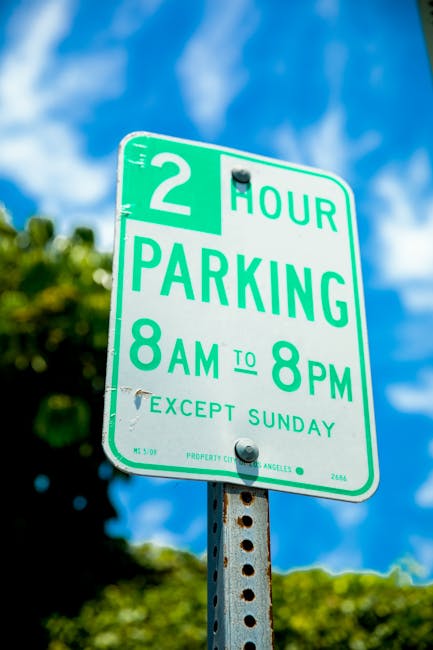
Stanmore parking suspensions: get a Harrow Council permit
Posted on 06/07/2026
If you are planning a move, a delivery, or any job that needs road space in Stanmore, parking can become the part that throws everything off. One missed permit, one ignored suspension notice, and suddenly the van is circling the block while everyone gets more stressed than they should. This guide on Stanmore parking suspensions: get a Harrow Council permit explains what the process usually means in practice, why it matters, and how to handle it without the last-minute scramble. You will also find practical tips for removal day, common mistakes to avoid, and a sensible checklist you can actually use.
To keep the whole move calm and organised, it helps to think about parking in the same way you think about packing or access: part of the job, not an afterthought. That sounds obvious, but truth be told, it is exactly where many people trip up.
Why Stanmore parking suspensions: get a Harrow Council permit Matters
Parking suspensions matter because they control whether a vehicle can legally stop in a space that would otherwise be available. In a busy part of Stanmore, that can affect removals, furniture drop-offs, office moves, student arrivals, and even one-off access jobs where timing is tight. If the space outside your building is suspended, you may not be able to leave a van there as planned. If you need a permit or related approval and do not arrange it, the result can be delays, extra carrying distance, and a move that feels harder than it should.
For anyone using a removal van, the practical effect is simple. The closer you can park to the entrance, the safer and smoother the job usually is. Less distance means fewer trips, less strain, and a lower chance of damage to bulky items. If you have ever tried to carry a sofa along a narrow path while the driver is double-parked half a street away, you will know exactly why this matters.
There is also a planning angle. Parking arrangements often need to be aligned with building access, neighbours, loading restrictions, and any time-specific rules for the road. A permit is not just a bit of admin. It helps you coordinate the whole move so the day does not become a series of awkward workarounds.
If you are planning a wider relocation, it is worth reading practical relocation advice for a less stressful move and the guide to whether you need a moving permit in Stanmore. Those topics sit right next to this one, and together they give you a much clearer picture.
How Stanmore parking suspensions: get a Harrow Council permit Works
At a simple level, a parking suspension is a temporary restriction on parking in a particular place. It is commonly used when access is needed for works, removals, deliveries, scaffolding, road maintenance, or similar activity. A Harrow Council permit, where required, is the formal permission that helps you use the space appropriately and avoid a conflict with normal parking controls.
The exact requirements can vary depending on the location, the street layout, the type of vehicle, and the reason for the booking. That is why you should never assume a space will be free just because it looks clear on the day before. Street conditions change. One resident leaves early, another returns late, and the whole arrangement can shift by morning. A permit process helps create certainty, or at least as much certainty as London parking ever allows.
In practical terms, the workflow often looks like this:
- You identify the date, address, and the vehicle access needs.
- You check whether the street has parking controls or a suspension in place.
- You arrange the permit or approval needed for that location.
- You confirm the timing so the van can arrive and load without guesswork.
- You keep the evidence or reference details handy in case they are needed on the day.
That final point matters more than people expect. If a driver, porter, or building manager asks for confirmation, you want the details quickly, not buried in a ten-page email trail from three days ago.
When access is awkward, the job can become more technical. For example, if the move involves a staircase, a tight corner, or heavy furniture, parking close by is even more important. You may find it useful to review why narrow-stair removals need specialist care and access tips for Bentley Priory moves if your property has tricky access or restricted stopping space.
Key Benefits and Practical Advantages
The main benefit is obvious: fewer parking problems. But the real advantages go beyond that. A properly arranged suspension or permit can save time, reduce stress, and protect the property you are moving.
- Shorter carrying distance: Heavy items are easier to move when the van is parked nearby.
- Lower risk of damage: Less time spent carrying means fewer chances for knocks, scrapes, and drops.
- Better timekeeping: Drivers can work to a cleaner schedule when parking is already sorted.
- Less disruption for neighbours: No random circling, no rushed unloading, no confusion at the kerb.
- Improved safety: Straightforward parking arrangements help crews avoid hurried lifts across traffic or awkward pavements.
There is a quieter benefit too. Good parking planning makes the whole day feel more professional. That sounds a bit formal, maybe, but once the van is in place and the crew can load in a steady rhythm, the rest of the move tends to follow suit. People relax. The kettle goes on. Boxes start disappearing. It all feels manageable.
For readers comparing different moving setups, it can also help to understand the wider service picture. The pages on moving services overview, man with a van in Stanmore, and removals in Stanmore show how access and parking sit within the bigger move plan.
Who This Is For and When It Makes Sense
This topic is most relevant if your move, delivery, or access job involves stopping in or near a restricted street in Stanmore. That includes homeowners, tenants, students, landlords, offices, and anyone arranging a bulky collection or specialist item transport.
It makes sense to think about a permit or suspension when:
- the property is on a narrow road with limited stopping space;
- the entrance is a long walk from the nearest legal parking bay;
- you are moving large items such as wardrobes, appliances, or a piano;
- you need several hours rather than a quick drop-off;
- the building has shared access, a managed forecourt, or a difficult loading point;
- you are arranging a same-day move and need to avoid delays.
Students, in particular, often underestimate this. A van turns up on time, but the only nearby bay is already occupied, and the first hour gets swallowed by parking logistics. If that sounds familiar, the guide to student removals in Stanmore and moving in HA7 street by street can help you think more locally and realistically.
Same-day jobs are another common case. They can be absolutely doable, but only if the parking side is not left hanging. You may also want to read urgent Stanmore move options and costs if your schedule is tight and you need quick decisions.
Step-by-Step Guidance
If you want a straightforward way to handle Stanmore parking suspensions and permits, the safest approach is to work backwards from the moving date.
- Confirm the job details. Note the address, date, time window, vehicle size, and whether you need loading close to the entrance.
- Check street conditions early. Look for bays, yellow lines, resident zones, loading restrictions, and any obvious signs of suspension or temporary controls.
- Decide whether a permit is needed. If the move involves a formal suspension or controlled bay use, do not assume it will be fine without approval.
- Build in a margin. If the job starts at 8:00, you do not want permit issues still being sorted at 7:55. Been there, regretted it.
- Coordinate with the mover or driver. Make sure everyone knows where the van should stop, how long it is expected to stay, and who is holding the confirmation details.
- Prepare a backup plan. If the space is unavailable, identify a nearby alternative that still keeps the carry manageable.
- Keep essential details to hand. Reference numbers, booking confirmations, and contact names should be easy to find on your phone.
If you are using a removal team, mention any restrictions as early as possible. This is especially helpful for larger pieces like beds, sofas, or fragile items. For example, it is easier to plan around parking if you have already sorted the packing stage with advice from stress-free packing tips and decluttering advice before relocating.
One more practical point: if the van needs to wait while access is cleared, the permit and parking plan should still support that waiting time. A few minutes can be fine. A few awkward repeats of "I'll just move this box down once more" is where the day starts to wobble.
Expert Tips for Better Results
The best parking outcomes come from simple, careful habits. Nothing glamorous. Just competent planning, which is honestly underrated.
- Plan around the heaviest items first. If you know the sofa, fridge, or bed is going out early, make sure the van can be close enough before lifting starts.
- Take photos of the road space. A quick picture can help you remember bay markings, access issues, and whether another vehicle usually blocks the spot.
- Keep neighbours in mind. If you are moving in a shared block or terrace, a polite heads-up can prevent unnecessary tension.
- Use the right team size. Parking problems get worse when a job is under-resourced. Fewer hands means slower loading and more time at the curb.
- Match van size to the street. A larger van is not always the better choice if the road is tight.
For bulky or difficult furniture, the parking plan and the lifting plan should be considered together. That is especially true for awkward items like upright pianos or deep sofas. The article on why piano movers are best left to experts is a good reminder that some items need specialist handling as well as good access.
Expert summary: The smoother the parking, the safer the move. If the van can stop close, the crew can load with less strain, fewer pauses, and far less risk of damage. That is the quiet advantage people only appreciate fully on moving day.
Common Mistakes to Avoid
A lot of avoidable stress comes from small oversights. The tricky part is that they all feel minor right up until they become expensive or time-consuming.
- Leaving permit checks too late. By the time the van arrives, it is far too late to fix paperwork.
- Assuming a suspended bay is automatically usable. Signs and timing matter, and so do the exact terms of the restriction.
- Forgetting about vehicle height or length. A space that looks fine for a car may be awkward or unsafe for a van.
- Not warning the removal team about access limits. The crew needs the full picture, not a surprise halfway through the job.
- Ignoring loading time. A permit is not just about where the vehicle stands, but how long the operation takes.
- Failing to plan for weather. Rain makes carrying slower and more hazardous, so parking distance becomes even more important.
Another common issue is assuming the move will "just work out". Sometimes it does, sure. But that is not a plan; that is optimism wearing work boots.
If you want to avoid extra costs on the moving side as well, it is worth reading how to avoid hidden fees in Stanmore removals. Parking and access problems can quietly create those extra charges if nobody has thought them through.
Tools, Resources and Recommendations
You do not need fancy equipment to manage parking suspension planning, but a few simple tools make life easier.
- Phone calendar reminders: Set one reminder for checking permissions and another for the day before the move.
- Notes app or checklist: Keep permit references, timings, and access notes in one place.
- Photos of the street: Useful for remembering bay signs, driveway widths, and awkward corners.
- Floorplan or room list: Helps the moving team load in a smarter order, which shortens parking time.
For related move preparation, the following pages can be genuinely useful: furniture removals in Stanmore, packing and boxes support in Stanmore, and storage options in Stanmore. Storage, especially, can take pressure off a move if access or parking is limited for part of the day.
For heavier lifting or tricky manoeuvres, it can also help to think beyond parking. The guides on lifting heavy items solo and kinetic lifting techniques are useful reminders that moving safely is about posture, sequencing, and control, not just muscle.
Law, Compliance, Standards, or Best Practice
For anything involving parking controls, the safest approach is to treat the arrangement as a compliance issue, not an informal favour. In the UK, parking restrictions, loading bays, yellow lines, and suspension notices are there for a reason, and local councils expect them to be followed. The exact process can differ by location and by council practice, so it is wise to confirm the current position before relying on a space.
Good practice means more than avoiding fines. It also means respecting access for residents, emergency services, and other road users. If a permit is required, arrange it honestly and within the right timeframe. If a suspension is in place, work within the stated conditions. If something is unclear, do not guess. Ask, check, and document the answer.
That same careful approach applies to moving standards more broadly. Responsible movers should work safely, handle items with care, and plan access properly. You can see the sort of standards expected by reviewing pages such as health and safety policy, insurance and safety, and terms and conditions. They are not just formalities. They tell you a lot about how a move is managed in the real world.
If you are arranging a specialist or higher-risk move, such as one involving stairs, tight access, or valuable items, compliance and planning become even more important. For example, piano moves and narrow staircase jobs benefit from careful pre-checks and clear responsibility on the day. No drama, just good practice.
Options, Methods, or Comparison Table
There are usually a few ways to approach access and parking in Stanmore. The right choice depends on your street, the type of job, and how much time you have.
| Approach | Best for | Pros | Drawbacks |
|---|---|---|---|
| Informal kerbside parking | Very short jobs with easy street access | Quick if space is available | Risky if bays are restricted or busy |
| Permit-backed parking arrangement | Moves needing a defined loading space | More predictable and organised | Requires advance planning |
| Parking further away and carrying items | Simple, light moves or low-volume jobs | Sometimes easiest to arrange | Slower, tiring, and not ideal for heavy furniture |
| Temporary storage before moving day | When access is awkward or timing is split | Reduces pressure on the day | Can add coordination and extra handling |
In most real-life Stanmore moves, the permit-backed option is the most stable if the road is controlled or tight. If access is straightforward, you may not need anything complicated. But when the street is busy, the job is large, or the timing is fixed, a proper parking plan usually wins.
If you want help weighing the wider moving options, the pages on man and van services in Stanmore, removal van hire in Stanmore, and same-day removals in Stanmore can help you match the transport choice to the access situation.
Case Study or Real-World Example
A typical situation goes like this. A family in Stanmore is moving from a terraced property with a narrow frontage. The road is busy by mid-morning, and the nearest legal parking is a little way down the street. On paper, the move looks simple enough. In practice, it has a few moving parts: a sofa, a bed frame, several boxes, and a fridge that nobody wants to carry any further than necessary.
At first, they assume the van can stop "just outside" because the road looks quiet the evening before. But the next morning, another car has taken the spot, and the loading area is not as free as expected. Because they had checked parking in advance and arranged the right permission, the driver already had a backup stop-point and the loading sequence was planned. The van parked safely, the heavy items were loaded first, and the rest of the move kept moving. No shouting, no hurried shuffling, no panicked calls.
That kind of outcome sounds small, but it changes the whole tone of the day. You can hear the difference, really. Less rushing. Fewer doors slamming. A bit more breathing room.
For a similar access-first approach, see bulky furniture disposal options in Stanmore, which also benefits from proper vehicle positioning and clear timing.
Practical Checklist
Use this checklist before your move, delivery, or access booking:
- Confirm the exact address and time window.
- Check whether a parking suspension or permit is likely to be needed.
- Make a note of loading restrictions and bay markings.
- Tell the mover what items are being carried and how bulky they are.
- Keep any confirmation details close to hand.
- Identify a backup parking option nearby.
- Allow extra time for busy roads, school runs, or weather delays.
- Protect floors, walls, and corners at the property entrance.
- Check whether storage or split delivery would make the job easier.
- Review the moving plan one last time the day before.
Quick takeaway: if the parking is sorted early, the rest of the move gets easier fast. That is usually the difference between a controlled day and a messy one.
Conclusion
Stanmore parking suspensions can seem like a small detail, but they have a huge impact on how smoothly a move or delivery runs. If you need a Harrow Council permit or any related parking approval, the safest move is to plan early, confirm the street conditions, and keep the access details in order. That way, the van can park where it should, the heavy lifting stays manageable, and the day feels much less chaotic.
For most people, the real goal is not to become an expert in parking rules. It is simply to avoid that horrible moment when everything is ready except the space outside. Sort that part out, and the rest tends to fall into place.
Get a free quote today and see how much you can save.