Disposing bulky furniture in Stanmore: council options
Posted on 14/05/2026
If you have an old sofa blocking the hallway, a bed frame that will not fit in the lift, or a heavy wardrobe you somehow ended up owning twice, you are not alone. Disposing bulky furniture in Stanmore: council options is one of those tasks that sounds simple until you are actually standing in front of the item, wondering how on earth it is leaving the property. The good news is that there are sensible ways to handle it. Some are council-led, some are reuse-focused, and some are better suited to situations where you want the furniture gone quickly without turning the day into a small domestic drama.
This guide walks you through the main council options, what to expect, when a collection makes sense, and how to avoid common mistakes that can cost you time or money. It also helps you decide when a professional removal service is the more practical route, especially if the furniture is heavy, awkward, or needed out of the way fast.
Why Disposing bulky furniture in Stanmore: council options Matters
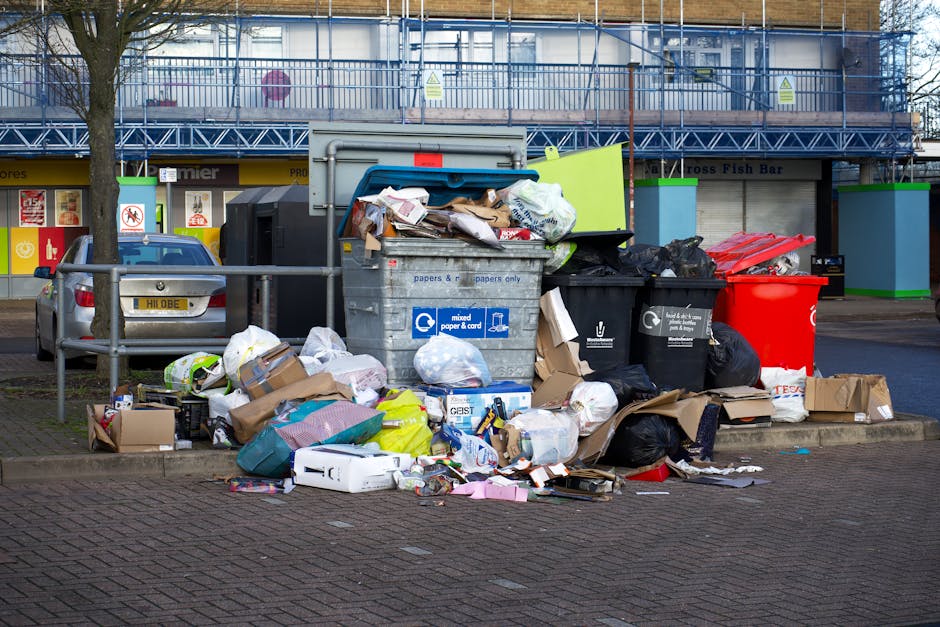
Bulky furniture is not the same as normal household waste. A sofa, mattress, chest of drawers or dining table takes up space, is awkward to carry, and often needs a different disposal route. That matters because the wrong choice can lead to missed collections, fly-tipping risks, avoidable lifting injuries, or furniture sitting in your flat for far longer than you planned.
For Stanmore residents, council options are usually the first thing people check because they feel official, straightforward, and familiar. Fair enough. They can be a solid solution, especially for one-off items or when you are clearing a property after a move. But there is a practical side to this too: not every item, location, or timeframe is a good fit for a council collection. A tight front path, no lift, narrow stairwell, or a deadline on the handover date can turn a simple disposal into a much more awkward job.
That is why it helps to understand the full picture before you book anything. If you are already decluttering ahead of moving day, it may also be worth reading our guide on decluttering before relocating, because disposing furniture and preparing for a move tend to overlap more than people expect.
How Disposing bulky furniture in Stanmore: council options Works
Council bulky waste services generally work in a fairly simple way: you identify the items, check what can be collected, request a collection, and prepare the furniture for pickup. The exact process can vary, so it is wise to confirm the current arrangement for your local area rather than assuming every council handles things identically.
In practical terms, the process often includes these stages:
- Check eligibility. Some councils limit the number of items, the type of furniture, or the property locations they serve.
- Confirm the item list. Sofas, armchairs, wardrobes, tables, beds and mattresses are common bulky items, but not every mixed item is accepted as standard.
- Book in advance. Bulky collections are rarely instant. Lead times can matter if you are clearing a room for decorators, landlords, or new furniture delivery.
- Prepare access. Items usually need to be left in an agreed location, often outside or at the boundary. If access is poor, the collection may fail.
- Follow any handling rules. Some items must be dismantled, bagged, or separated from other waste.
One detail people often miss: council collections are designed for straightforward household disposal, not for full property clearance. If you have multiple heavy items, a houseful of furniture, or a second-floor flat with no lift, it may be better to treat the council option as one part of the plan rather than the whole answer. That is exactly where a local furniture removals Stanmore service can bridge the gap between convenience and careful handling.
Also, if the item is unusually awkward or fragile, it is worth planning the route out of the property in advance. A good move can be lost at the front door. Yes, really.
Key Benefits and Practical Advantages
Council options have a few obvious strengths. They are often familiar, they can be suitable for single-item disposal, and they reduce the temptation to dump furniture illegally or leave it by the pavement with a hopeful look on your face. That last part is not a strategy, by the way.
- Convenience for one-off items: If you only need to remove a sofa, chair, or bed, council collection may be enough.
- Less handling for you: You do not have to hire a van or move the item yourself to a disposal point.
- Clearer compliance: Using an approved route is safer than relying on informal disposal methods.
- Useful for end-of-tenancy clearances: Especially where a room needs to be emptied quickly and neatly.
- Potentially lower effort: If the furniture is already near an exit and the booking is straightforward, the process can be pretty smooth.
There is also a less obvious benefit: council disposal encourages you to think more carefully about reuse and condition. If the item is still in good shape, it may be better suited to donation or resale than disposal. In a town like Stanmore, where people often move between flats, family homes and shared accommodation, a service that keeps usable furniture in circulation can make real sense.
For readers dealing with storage or temporary downsizing, our article on safeguarding your sofa in storage may help if you are deciding whether to keep, store, or replace larger pieces.
Who This Is For and When It Makes Sense
This topic is relevant to a lot of people, and not just during a big house move. In practice, bulky furniture disposal is often needed by:
- Homeowners replacing old furniture
- Tenants at the end of a tenancy
- Landlords clearing a property between occupants
- Students leaving furnished accommodation
- Families making space after a room reconfiguration
- Older residents who no longer want to deal with heavy lifting
It makes the most sense when the item is reasonably accessible, there are only a few pieces to remove, and you are not under a same-day deadline. If you are in a flat, have shared access, or the furniture is bulky enough to require disassembly, your decision should also factor in time, help, and physical safety.
To be fair, a lot of people think, "I can probably drag this out myself." Sometimes they can. Often they regret it halfway down the stairwell. If the item is heavy, consider the safer approach. Our piece on kinetic lifting techniques explains why body position and loading matter much more than brute force.
And if you are a student clearing a room quickly at the end of term, the timing can get tight fast. In that case, a local student removals Stanmore option may be a better fit than trying to organise multiple separate disposal steps.
Step-by-Step Guidance
If you want the smoothest possible result, a little preparation goes a long way. Here is a practical way to approach it.
- List the items. Write down exactly what you want removed: sofa, mattress, wardrobe, bed base, dining chairs, and so on.
- Check the condition. Is the item reusable, damaged, or unsafe to move? This affects the best route.
- Measure access points. Note door widths, stair turns, lift size, and hallway bottlenecks. Small detail, big difference.
- Decide whether to dismantle. Beds, wardrobes, and some tables are much easier once broken down.
- Review council collection rules. Confirm item limits, placement requirements, and booking timing.
- Prepare the collection point. Keep the furniture ready where it can be collected without delaying anyone.
- Separate anything reusable. If an item can be donated or repurposed, do that before disposal.
- Arrange backup help if needed. Don't rely on "someone will be around" unless you've actually checked.
If you are tackling the job in a flat, the final route matters a lot. A corner sofa that barely fit in on delivery day will not magically become easier to move now. In those cases, a page like flat removals Stanmore can be useful for understanding how a planned removal differs from ad hoc disposal.
One small but practical tip: if you are disposing of a bed and mattress at the same time, keep screws, brackets, and small fittings in a labelled bag. Otherwise, they vanish into the chaos. Always. Somehow.
Expert Tips for Better Results
Over the years, one pattern becomes obvious: the job is rarely difficult because of the furniture itself. It is difficult because of the space around the furniture. That means route planning, timing, and preparation matter just as much as muscle.
Prioritise accessibility before lifting
Clear the path first. Open internal doors, move loose rugs, and remove anything breakable from side tables or shelves nearby. Even a lamp knocked over in the wrong corridor can turn a tidy job into a messy one.
Use dismantling where it saves strain
Breaking down a wardrobe or bed frame may add ten minutes, but it can save your back and protect walls from scuffs. If you are dealing with a mattress or bed set, our guide to shifting your bed and mattress with ease covers the sort of small planning details that make the whole thing easier.
Choose the right help for the item
Not every job needs a full removal crew, but not every job suits a solo effort either. A single wardrobe on a ground floor can be manageable. A large sofa on a top floor with a tight turn? Much less so. For awkward pieces, a local man and van Stanmore arrangement can be a sensible middle ground.
Think about what comes next
If the furniture is being removed to make way for a new delivery, schedule the disposal before the new item arrives. It sounds obvious. Still, plenty of people end up with an old sofa in the hall and a new one booked for the same afternoon. That is not ideal.
Keep the environment in mind
If an item can be reused, repaired or recycled, that is usually better than sending it straight to waste. If sustainability matters to you, have a look at our recycling and sustainability information to see how responsible disposal fits into a broader moving mindset.
And if the lifting itself is the part you dread, there is no shame in that. Honestly, most people dread it for good reason.
Common Mistakes to Avoid
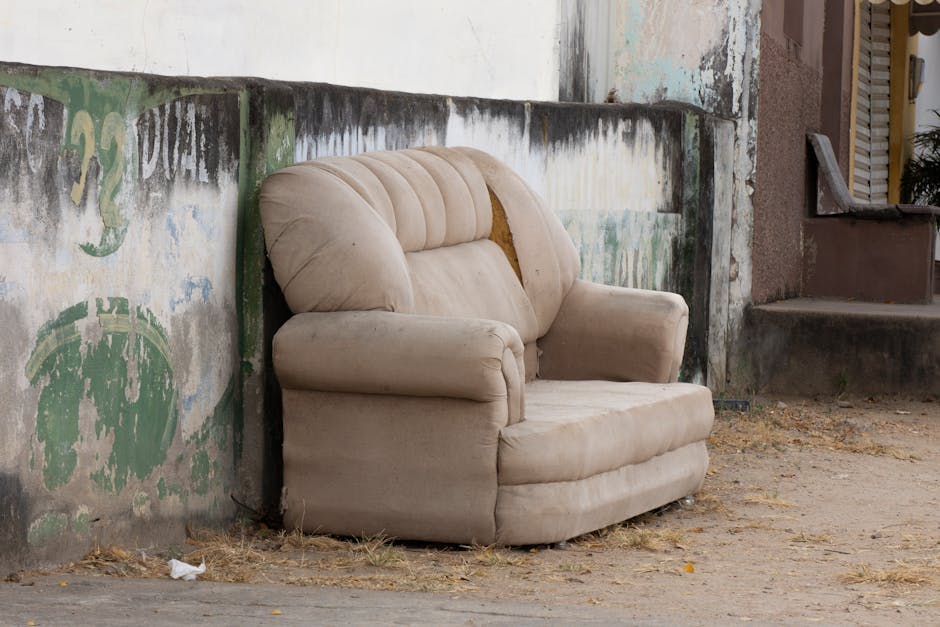
Bulky furniture disposal tends to go wrong in predictable ways. Knowing the traps makes it much easier to avoid them.
- Leaving booking too late: Council services may not fit last-minute deadlines, especially around moving dates.
- Assuming every item is accepted: Not all upholstered goods, mixed materials, or damaged items are handled the same way.
- Not checking access: A collection can fail if the item is not placed correctly or cannot be reached safely.
- Trying to lift without planning: A quick lift can become a back strain in seconds.
- Forgetting disassembly tools: No screwdriver, no progress. A very unromantic truth.
- Ignoring reuse options: Good furniture should not be thrown away automatically.
Another common issue is underestimating how long clearance takes when there are multiple items. A single sofa can feel manageable. A sofa, two chairs, a mattress and a wardrobe suddenly becomes a logistical puzzle. In that case, browsing removal services Stanmore may help you compare a fuller service against piecemeal disposal.
Finally, don't forget the paperwork or instructions if you are moving out. Some tenants book disposal but forget the end-of-tenancy clean. The room may be empty, yet the job is only half done. For that side of the move, our guide to move-out cleaning hacks is a practical companion piece.
Tools, Resources and Recommendations
You do not need a van load of specialist kit to dispose of bulky furniture, but a few simple tools can make a huge difference.
| Tool or Resource | Why it helps | Best for |
|---|---|---|
| Measuring tape | Checks whether furniture will fit through doors, stair turns, and lifts | Wardrobes, beds, sofas |
| Basic screwdriver set | Helps dismantle bed frames and furniture fittings | Flat-pack and assembled items |
| Furniture sliders or blankets | Reduces floor damage and dragging strain | Heavy items on hard floors |
| Straps or tape | Keeps loose parts together during removal | Multiple-piece furniture |
| Professional removal support | Takes care of lifting, transport, and practical handling | Large, heavy, or urgent collections |
For readers who are juggling disposal with a move, a larger moving plan can simplify everything. Our services overview gives a broader sense of how disposal, transport and storage can work together. If the item is not ready to go yet, storage in Stanmore may be the better short-term answer.
And if you are packing surrounding rooms while waiting for collection day, some basic planning from packing and boxes Stanmore can keep the rest of the house from feeling like a half-finished jumble sale.
Law, Compliance, Standards, or Best Practice
Furniture disposal in the UK should be handled carefully and legally. You should never leave bulky items on the street or in communal areas unless a collection has been agreed. Fly-tipping rules are taken seriously, and even a well-meaning attempt to "leave it out for someone" can cause problems for neighbours and the local area.
Best practice is simple:
- Use an approved council collection or a properly operated removal service
- Confirm where the item should be left and when
- Keep access routes clear for anyone collecting the furniture
- Check whether the item should be dismantled or separated first
- Handle sharp edges, broken frames, and contaminated upholstery with care
If you are hiring help, it is sensible to look for clear terms, insurance awareness, and safe handling standards. Our pages on insurance and safety and health and safety policy explain the sort of operational thinking that should underpin any proper removal work.
In plain English: don't make a quick disposal decision that creates a bigger mess later. The rules exist for a reason, and so does common sense.
Options, Methods, or Comparison Table
There is no single best method for every household. The right route depends on quantity, urgency, access, and condition. Here is a practical comparison.
| Option | Best for | Pros | Trade-offs |
|---|---|---|---|
| Council bulky waste collection | One or two standard items, planned in advance | Simple, recognised, often straightforward | May have waiting times, item limits, or access conditions |
| Reuse or donation route | Furniture in good condition | More sustainable, may help others | Not suitable for damaged or dirty items |
| Professional removal service | Heavy, awkward, urgent, or multiple items | Less lifting for you, better for tight spaces | Usually costs more than council-only disposal |
| Self-transport to a disposal point | People with access to a suitable vehicle | Flexible timing, direct control | Requires lifting, transport, and unloading effort |
For a straightforward sofa or chair, the council route may be enough. For a full room clear-out, a professional option often saves time and stress. If you are comparing those choices, our pricing and quotes page can help you understand the cost side before you commit.
Case Study or Real-World Example
Imagine a small flat in Stanmore where a tenant needs to clear out a sofa bed, a broken coffee table, and a mattress before the end of the week. The council option is available, but the timing is tight and the sofa bed does not fit easily down the stairwell without dismantling.
In that situation, the tenant has three realistic choices. They can wait for a council slot and spend time dismantling the furniture themselves, they can store the items temporarily while waiting, or they can use a removal service that handles the lifting and transport in one go. If the tenancy end date is non-negotiable, the third option often becomes the most practical. Not because it is glamorous, just because it works.
This is where planning makes the whole difference. A bit of advance checking on access, disposal method, and whether the item can be reused can save a lot of back-and-forth. If the furniture is still worth keeping but not needed immediately, it may be smarter to place it in storage in Stanmore rather than rush the decision.
A small real-world observation: the people who have the smoothest disposal days are usually the ones who decide early, measure twice, and keep the path clear. Sounds almost too simple, but there it is.
Practical Checklist
Use this checklist before you arrange disposal of bulky furniture.
- Identify every item you want removed
- Check whether each item is reusable, repairable, or waste
- Measure doors, stairs, and lift access
- Confirm whether the item needs dismantling
- Book the council collection or alternative service in advance
- Choose where the item will be placed for pickup
- Remove loose parts, cushions, and fittings
- Protect floors and walls during the move
- Arrange help for anything heavy or awkward
- Keep a backup plan in case the first option is delayed
If your item is a sofa, bed or other large piece that might still have a second life, our guide on keeping a relocation smooth and stress-free can help you think through the wider move, not just the disposal itself.
Conclusion
Disposing bulky furniture in Stanmore does not have to be complicated, but it does reward a bit of planning. Council options are often the first and most sensible step for standard household items, especially when you are not dealing with a huge clearance or an urgent deadline. The key is to match the method to the job.
If you have one manageable item and time to book ahead, the council route may be all you need. If the furniture is heavy, awkward, needed gone quickly, or part of a larger move, a professional removal or man-and-van service can make the whole thing calmer and safer. Either way, the best result usually comes from measuring, sorting, and deciding early rather than leaving it until the last possible morning.
Get a free quote today and see how much you can save.
And if all you do next is clear the hallway and make the kettle, that is still progress. One step at a time.